Water damage can strike unexpectedly in Salt Lake City, where homeowners frequently face threats from flooding, pipe bursts, and seasonal snowmelt runoff. These situations can lead to severe structural issues and health risks if not addressed promptly. For homeowners, the first 24 hours following any water-related incident are critical. Immediate action can mitigate damage and prevent costly repairs down the line.
In this blog, we will outline essential steps that homeowners should take following water damage, ensuring their safety and protecting their property. From ensuring safety first to documenting the damage and beginning the clean-up process, being proactive in the initial hours can make a significant difference in the recovery process.

What is Water Damage Restoration?
Water damage restoration is the process of returning a property to its pre-damaged state after it has been affected by water intrusion. This process involves a series of steps that aim to effectively remove water, dry out affected areas, sanitize them, and ultimately restore your property to its original condition. Without prompt action, water damage can escalate quickly, leading to more significant problems such as structural issues and mold growth.
Crucial actions for homeowners to take
1. Ensure Safety First
a) Assess Structural Damage
Before you even consider entering your home, conduct a thorough assessment of any visible signs of structural damage. Look for collapsed ceilings, weakened floors, or any other indicators that may suggest instability. It’s vital to avoid entering heavily water-damaged areas until they have been evaluated, as they can pose serious risks of injury or further damage.
b) Turn Off Utilities If Needed
Safety is paramount during a water emergency. If there is standing water near electrical outlets or the main electrical panel, immediately turn off the electricity to prevent electrocution risks. Similarly, if the water damage is caused by a burst pipe, locate the main water supply and close it to stop any further flooding. Additionally, if there’s the potential for gas leaks, turn off the gas supply until a professional can assess the situation.
c) Watch Out for Contaminated Water
Water can be classified into three categories: clean water, gray water, and black water. Clean water stems from sources like broken pipes, while gray water may come from sources like washing machines. Black water is unsanitary and comes from sewage. If you suspect you are dealing with contaminated water, it’s crucial to wear protective gear, including gloves and masks, to avoid health risks.
2. Document the Damage for Insurance Claims
a) Take Photos and Videos
One of the most important steps in the aftermath of water damage is documenting the scene. Use your smartphone or a camera to capture images and videos of all affected areas, paying special attention to walls, floors, furniture, and appliances. Take close-up shots of any visible damage to structural components, as this evidence will be crucial for your insurance claims.
b) Make a Detailed Inventory
Create a comprehensive inventory of all damaged possessions, including furniture, electronics, and personal items. Note the estimated value of each item, and if you still have receipts for expensive possessions, that will strengthen your claim. Having an organized list will simplify the claims process and ensure that nothing is overlooked.
c) Contact Your Insurance Provider
Once you have documented the damage, reach out to your insurance provider as quickly as possible to initiate the claims process. It’s essential to understand what is covered under your policy, as different policies may have varying coverage for water damage. Request an insurance adjuster to come inspect the damage, as their assessment will be critical in determining your coverage.
3. Begin Water Removal & Drying
a) Extract Standing Water
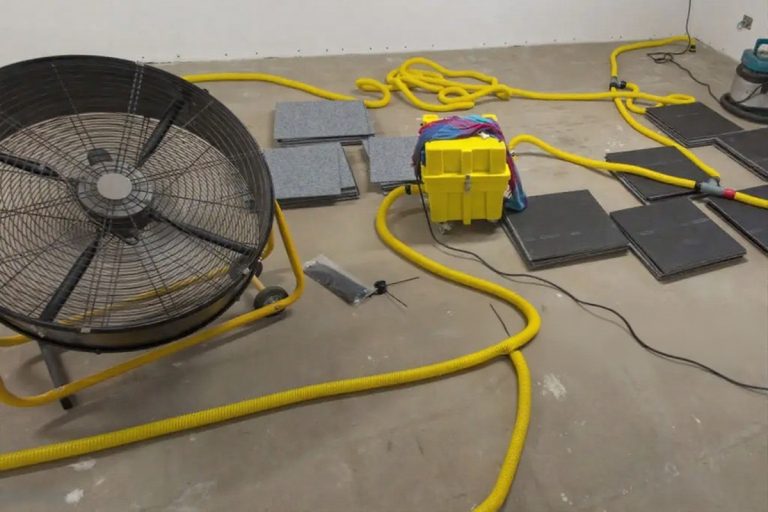
Start the water removal process as soon as it’s deemed safe. Use buckets, towels, or a wet/dry vacuum to eliminate standing water. If the damage is extensive, you may want to consider renting industrial fans and dehumidifiers to expedite the drying process.
b) Open Windows and Doors for Air Circulation
To further enhance drying, open windows and doors to facilitate air circulation. If weather conditions are favorable, natural ventilation can significantly aid in drying out affected areas. Proper airflow helps in reducing humidity levels, which is crucial in preventing mold growth.
c) Remove Soaked Items
Take inventory of items that have been soaked. Discard anything that cannot be salvaged, such as soaked carpets, insulation, or heavily damaged furniture. Move any salvageable belongings, such as books or electronics, to a dry, safe area to minimize further damage.
d) Avoid Mold Growth
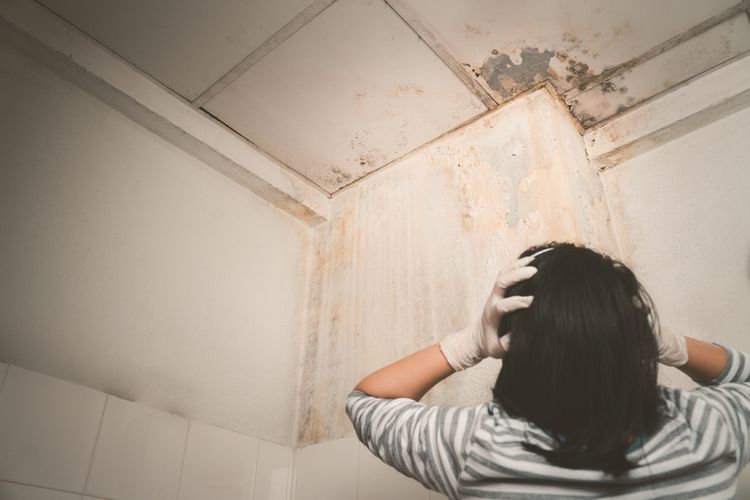
Time is of the essence when it comes to mold growth, which can develop within 24-48 hours after water exposure. Be vigilant about drying all affected areas and items thoroughly. If possible, use mold inhibitors and consider professional help if concerns about mold arise.
4. Contact Water Damage Restoration Services
Once you’ve assessed the damage and taken necessary precautions, it’s time to contact professional water damage restoration services. Here’s how to choose the right one:
- Research Local Experts: Look for reputable companies in Salt Lake City that specialize in water damage restoration.
- Check Reviews: Customer feedback can provide insight into the effectiveness and reliability of the service.
Steps Involved in Water Damage Restoration in Salt Lake City
- Assessment of Damage: The first step in the restoration process involves assessing the extent of the damage. Our trained professionals will evaluate your property to determine the source of the water intrusion and the level of damage.
- Water Extraction: Once the assessment is complete, the next step is to remove any standing water. This is done using powerful pumps and vacuums to ensure that all excess water is extracted.
- Drying and Dehumidification: After the water is removed, the affected areas must be thoroughly dried. Our team will utilize industrial-grade dehumidifiers and air movers to ensure that all moisture is eliminated from surfaces and the air.
- Cleaning and Sanitization: It’s essential to clean and sanitize the affected areas to prevent mold growth and eliminate any harmful bacteria. We use specialized cleaning agents and techniques to ensure your property is safe and healthy.
- Restoration and Repairs: Once the area is dry and sanitized, we can begin the restoration process. This may involve repairing or replacing damaged materials such as drywall, flooring, and insulation to restore your property to its pre-damage condition.
How Superior Disaster Cleanup Can Help
At Superior Disaster Cleanup, we understand that dealing with water damage can be overwhelming. Our expert team is dedicated to providing comprehensive water damage restoration services in Salt Lake City to help you through this challenging time. Here are some of the benefits of choosing us:
- Rapid Response: We offer 24/7 emergency services because we know that water damage can occur at any time. Our team is always ready to respond quickly to minimize damage.
- Expertise and Experience: With years of experience in the industry, our trained professionals are equipped with the knowledge and skills to handle any water damage situation.
- State-of-the-Art Equipment: We utilize the latest technology and equipment to ensure effective water extraction, drying, and restoration.
- Insurance Assistance: Navigating insurance claims can be daunting. Our team will work with you to help you understand your coverage and assist you in filing your claim.
Conclusion
After water damage in Salt Lake City, acting quickly can make a big difference in the recovery process. First, ensure everyone is safe and watch out for hazards like electrical issues or contaminated water. Then, document the damage with photos and videos for insurance purposes. Start removing water as soon as possible to prevent further damage and mold growth. Most importantly, contact a professional water damage restoration company in Salt Lake City to handle the cleanup and repairs effectively. Taking these steps will help restore your home faster and make filing an insurance claim easier, so you can get back to normal life sooner.