Property owners often find that water damage is one of the most misleading threats they face. Although standing water or an obvious water mark may be viewed as the primary issues associated with water damage, a great deal of the damage done by water occurs beneath the surface of a building. This damage has the potential to become extremely costly to property owners if not promptly addressed, as is the case with many Bountiful properties.
Different sources, durations, and levels of contamination create different types of water damage. For example, clean water from a burst pipe does not affect building materials in the same manner as sewage or contaminated groundwater.
Therefore, it is important to clearly understand the types of water damage that will affect the structural components of your home so that you are better equipped to make informed decisions regarding how to restore your property following water damage.
This blog provides property owners with an understanding of the different types of water damage and how these types of water damage can impact floors, walls, and foundations, as well as a critical reason for using a Water Damage Restoration Company in Bountiful to protect the structural integrity of your property in the long run.
Types of Water Damage
The types of water damage are typically classified by the level of contamination and the source from which the water originated. Each type of water damage has unique risks to building materials and requires different restoration processes.
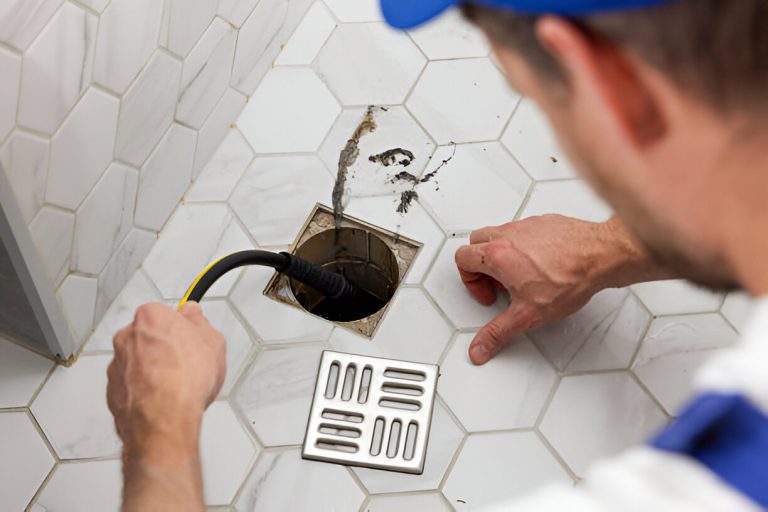
Black water is defined as floodwater that contains sewage or another form of highly contaminated water. No matter what kind of water damage you have, every type of untreated moisture will spread rapidly through your home and weaken your home’s structural materials.
The initial assessment of the water type allows a water damage restoration professional to determine how best to restore your property.
Several Ways Water Damage Can Affect Flooring Material
-
Hardwood Floors and Engineered Wood Floors
Water Damage to wood flooring is usually one of the most serious forms of damage because wood readily absorbs moisture from its immediate environment. As a result, wood flooring will swell, cup, or twist when it absorbs too much water over an extended period.
Continuing to allow moisture to saturate a wood floor for long periods could lead to permanent distortion or even rot occurring underneath the wood flooring.
-
Carpets and Padding
Carpet fibers absorb moisture very quickly, while the carpet pad underneath acts like a sponge and continues to absorb water. As a result, carpet provides an ideal breeding ground for mold, bacteria, and odors.
If carpets are not properly removed and dried, they can actively contaminate indoor air and allow moisture to migrate into walls and baseboards.
-
Tile and Laminate Flooring
Although tile appears to be water-resistant, moisture travels through grout joints or margins and settles in the tile subfloor below. Laminate flooring will swell and separate when exposed to water and will usually need to be removed and replaced.
Restoration professionals will check beneath all surface materials to verify that hidden moisture issues have been fully resolved.
How Water Damage Can Impact Your Walls and Other Interior Structures
-
Drywall Will Soak Up Water and Fail
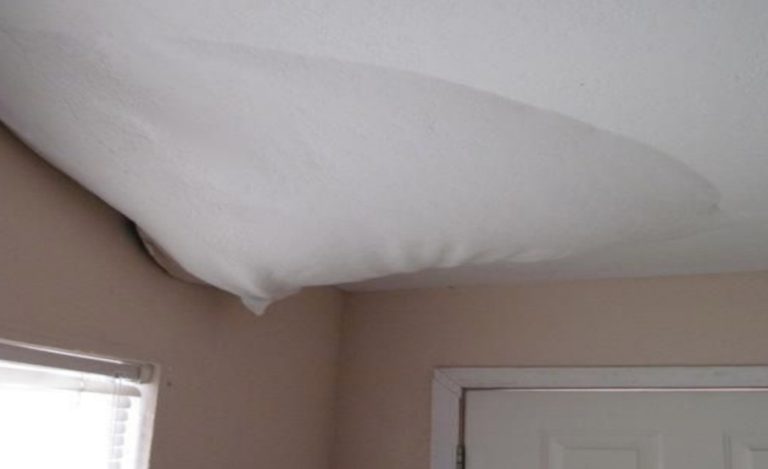
Drywall quickly absorbs water from leaks or flooding events and loses its structural integrity. Once saturated, it can sag, crumble, or develop mold inside the wall cavity due to trapped moisture. Even if drywall appears dry on the outside, it may still contain hidden moisture that leads to continued deterioration. Drywall restoration by professionals may involve moisture evaluation and remediation or removal of affected materials.
-
Damaged Insulation
Insulation loses its insulating capability when wet and can retain moisture against structural framing. Prolonged exposure increases the likelihood of mold development and wood rot.
Damaged insulation is often removed and disposed of during Water Damage Restoration Service Bountiful to avoid structural and indoor air quality (IAQ) issues caused by retained moisture.
-
Moisture in Hidden Wall Cavities
Moisture in wall cavities travels vertically through gravity and horizontally through capillary action. Hidden moisture can significantly degrade structural studs, cause corrosion or rust of fasteners, and encourage mold growth.
Using state-of-the-art moisture detection systems and equipment, restoration professionals can locate moisture that may go unnoticed by property owners.
The Dangers of Water Damage to Foundations
-
Concrete and Cracked Foundations
Concrete maintains strength until it is continuously exposed to excessive moisture for extended periods. Water infiltration and the flexible nature of concrete can cause foundations to shift, move, and erode from below.
Over time, foundations lose support and develop cracks on the surface. Once this occurs, downward pressure becomes unevenly distributed, creating structural instability.
-
Hydrostatic Pressure and Saturated Soil
Excess water surrounding the foundation creates increased hydrostatic pressure against foundation walls, which can cause bowing, cracking, or water infiltration.
Water Damage Restoration Services Bountiful assists in removing excess water from areas adjacent to the foundation and correcting moisture-related conditions associated with saturation.
-
Long-Term Structural Damage of the Foundation
Foundation damage is often identified after exposure to extreme conditions over a long period. Taking immediate action against water intrusion protects against extensive structural repairs and helps retain property value.
Different Types of Water Damage
-
Clean Water Damage
When clean water infiltrates a property and is not quickly removed, it causes swelling, warping, and material breakdown over time. Although initially considered safe, clean water can develop contaminants as time passes.
-
Gray Water Damage
The presence of organic matter and bacteria in gray water results in rapid material decay and increased health risks. Most floors and wall surfaces affected by gray water must be removed rather than dried.
-
Black Water Damage
Black water is extremely hazardous and damaging. It penetrates materials deeply, requiring extensive removal of affected flooring, walls, and structural components.
Professional Water Damage Restoration Bountiful services use proper safety protocols to handle all three types of water damage.
Dangers of Performing DIY Water Damage Cleanup
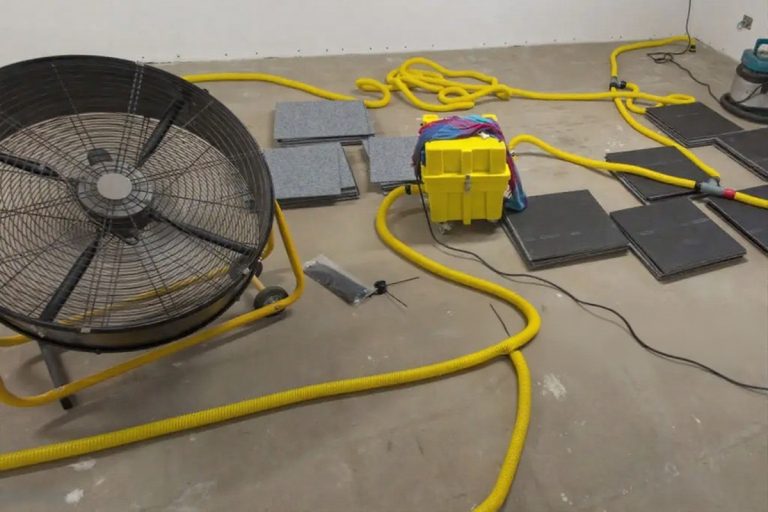
DIY cleanup methods focus only on visible water and fail to remove moisture trapped beneath floors or inside walls. Household fans and dehumidifiers are not designed to effectively dry structural materials.
Proper drying of all affected areas prevents ongoing hidden damage from dry rot and mold. Professional restoration ensures all affected areas are fully dried and stabilized.
How to Find a Professional Restoration Service to Restore Your Property
Professional structural restoration begins with a thorough inspection using moisture meters and thermal imaging. Water extraction is followed by controlled drying and replacement of damaged components.
Ongoing monitoring labels indicate when moisture levels are safe to begin reconstruction.
Common Questions Regarding Water Damage
Does water damage really affect the foundation?
Yes, prolonged moisture exposure weakens soil and concrete, causing cracks and shifting.
May I save the floor?
Only a professional evaluation can determine whether the flooring can be dried or must be replaced.
Is structural damage visible after water damage occurs?
No. Water may remain hidden for extended periods before visible signs appear.
How soon does water damage become worse?
Water damage escalates rapidly, with significant impact occurring within 24–48 hours.
When should I contact a Water Restoration Company?
Immediately after a water event, to prevent hidden damage.
Conclusion: Professional Restoration Protects Your Structure from Prolonged Water Damage
Water damage involves more than surface cleanup. Different categories of water damage affect structures in different ways. Without professional intervention, moisture damage spreads through materials, causing serious consequences, including toxin exposure and structural failure.
Superior Disaster Cleanup provides Water Damage Restoration services in Bountiful and specializes in protecting floors, walls, and foundations from all types of damage. Our professional team uses advanced moisture detection equipment, controlled drying techniques, and proven restoration methods to fully restore structural integrity.
Serving Bountiful and surrounding communities, Superior Disaster Cleanup delivers high standards of safety, thoroughness, and efficiency. Contact us today to schedule a restoration consultation.