Key Takeaways
- ›Utah’s fast temperature drops are what freeze and split home plumbing.
- ›Wrapping cold-zone pipes and holding the heat steady stops most bursts.
- ›The instant a line lets go, close the main valve and get help moving.
The Utah Freeze That Catches Homeowners
Along the Wasatch Front, a mild afternoon can plunge below zero overnight. That whiplash is exactly what plumbing cannot handle. Older Salt Lake City homes feel it worst.
Winter inversions trap frigid air in the valley for days. Pipes in cold corners never get a chance to warm. One long, hard night is all it takes to freeze a line.
From Ice to a Split Line
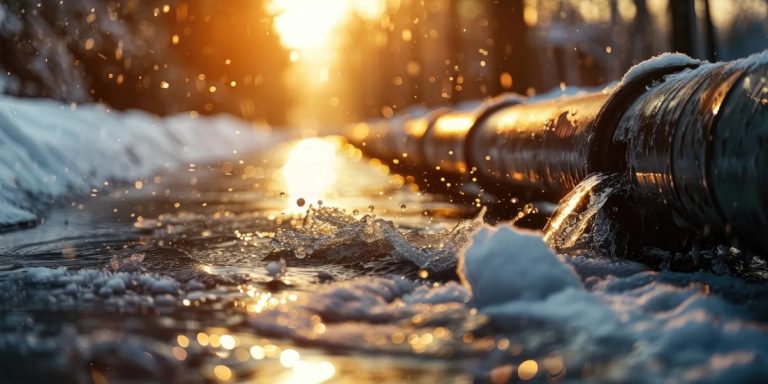
The ice itself is not what breaks the pipe. As water turns solid, it swells and drives pressure down the line. That trapped force builds against a closed section.
Somewhere the metal or plastic gives way. Strangely, the crack often stays quiet while frozen. The flood only arrives when the thaw sets the water loose.
The Spots That Freeze First
Some parts of a Utah home surrender to cold long before others. Keep an eye on these vulnerable runs.
- Supply lines tucked against poorly insulated exterior walls.
- Plumbing routed through an unheated garage or crawl space.
- Hose bibs and attic runs exposed to outside air.
- Any line sitting in the path of a draft.
Prep Before the Cold Arrives
Almost every burst can be headed off with a little autumn work. Sleeve the exposed runs and plug the drafts feeding them. The National Weather Service urges caution in extreme cold, and your plumbing deserves the same respect.
Pull every hose off its outdoor spigot and let it drain. Close and empty the exterior faucets from inside. Those two habits stop the most common valley freeze-ups.
Getting Through a Deep Freeze
When the forecast turns brutal, a handful of moves protect the pipes. None of them cost much.
- Keep a pencil-thin stream flowing from a far faucet.
- Hold the thermostat at 65, and 55 or higher when away.
- Swing open the cabinets so heat reaches the pipes below.
- Leave the garage shut to trap what warmth is inside.
The Moment a Pipe Bursts
Speed decides everything once water appears. Close the main valve first, then kill power to the soaked area. Because frozen pipes rank among the top winter claims, the Insurance Information Institute stresses documenting the loss right away.
Crack the taps to bleed off the pressure. Then start pulling water out, or call Superior Disaster Cleanup to take it from there. Every minute you save keeps the repair smaller.
The Damage You Do Not See
A soaked floor is only the visible half of a burst. Water climbs into drywall, insulation, and framing in minutes. Quick water damage restoration is what stops a puddle from becoming a gut job.
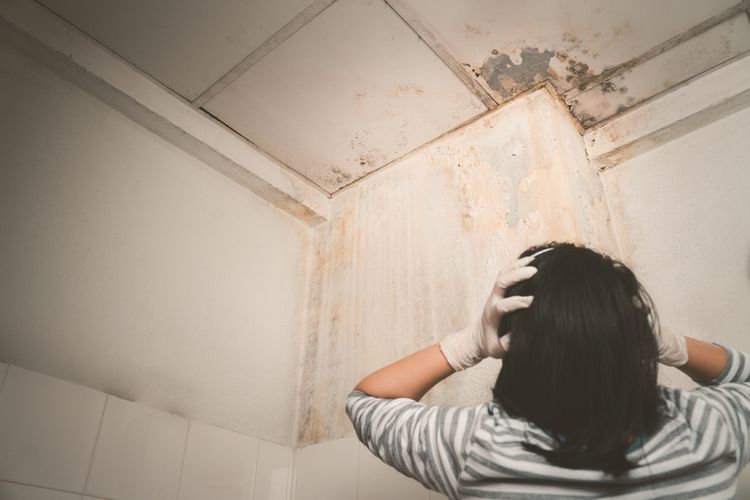
Leave those materials wet and mold takes hold within a day or two. Timely mold remediation heads it off before it travels. Acting fast is always the cheapest option.
Sleeving Pipes the Smart Way
Foam sleeves cost little and pay off big. Slide them over any line in a cold zone. Give extra attention to garages and crawl spaces. Heat cable adds a layer for the harshest runs.
Leaving Town in Deep Winter
An empty house is where bursts love to happen. Resist the urge to cut the heat off completely. Leave it set no lower than 55. Ask a neighbor to look in during a cold spell.
Early Clues a Line Has Frozen
A pipe usually hints before it fails. A tap that barely dribbles is the classic tell. Frost riding an exposed line is another. An odd whiff from a drain can point to a freeze.
Thawing a Line Without Wrecking It
Handle a frozen pipe with patience. Open the fixture so water moves as ice melts. Warm the run with a dryer or warm towels. Skip the torch, which cracks pipes and starts fires.
Locate the Main Valve Now
Every household should know this shutoff cold. It cuts the flow the instant a line lets go. Practice reaching and turning it before winter. The seconds you save can spare a flood.
Why Valley Basements Are Vulnerable
Basements stay cool and hold a lot of plumbing. A break down there floods fast and hides for hours. Insulate those lines and keep the space heated. Early care prevents a major loss.
The Grind of Freeze and Thaw
Utah days seesaw between freezing and melting. That repetition wears on a vulnerable line. Each freeze chips away at its strength. Steady warmth and insulation end the cycle.
Mold Follows Standing Water
The trouble does not stop when the plumber leaves. Damp drywall and insulation become mold food fast. Within a day or two a leak turns into a health worry. Only thorough drying truly ends it.
Building a Record for Your Claim
A frozen-pipe claim rests on solid proof. Photograph the split and the soaked rooms. Write down the date and the areas hit. Clear evidence supports a fair settlement.
A Checklist Before You Travel
A short routine guards an empty home. Set the heat and prop the cabinets open. Confirm you know the shutoff location. On longer trips, consider draining the system entirely.
Knowing When to Bring In a Pro
Some moments call for more than a hair dryer. Ring for help if a line bursts or the freeze hides. A crew dries the structure and hunts for damage. Fast expertise keeps a rough night from worsening.
Frequently Asked Questions
1.How do I keep my Utah pipes from freezing?
2.How many taps should I leave dripping?
3.How warm should I keep the house?
4.Should I open a frozen faucet?
5.What is my first move when a pipe bursts?
When a Pipe Bursts, Move Fast
One frozen line can turn a cold Utah night into weeks of repair. A modest bit of prep prevents most of that trouble. And when a pipe does split, quick cleanup keeps the loss contained.
Superior Disaster Cleanup answers fast when a burst pipe floods a Utah home. We pull out the hidden water and stop mold before it starts.