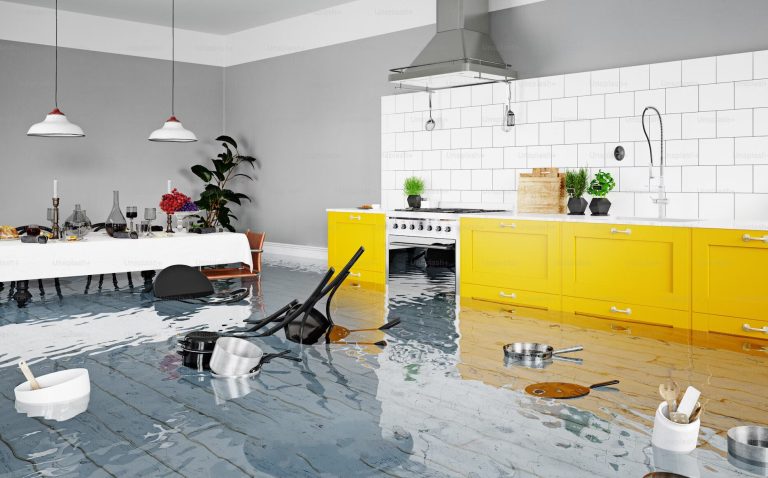
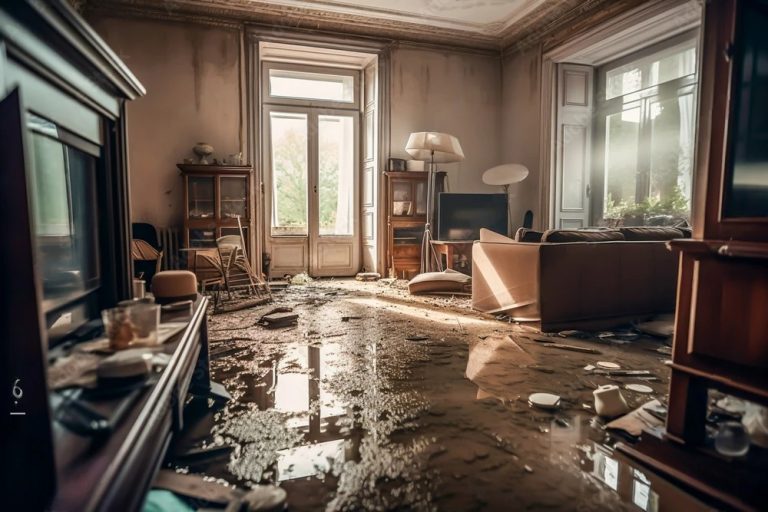
Imagine waking up to the sound of dripping water, only to find your basement flooded after a night of heavy rainfall. Or picture coming home from a winter vacation to discover that a burst pipe has soaked your floors and walls. Water damage can happen when you least expect it, and when it does, it can lead to costly repairs, structural issues, and even health hazards like mold growth.
Salt Lake City homeowners face unique water damage risks, from seasonal storms and melting snow to hidden plumbing leaks and aging foundations. While some incidents are unavoidable, many can be prevented when you trust a professional team that provides water damage restoration services in Salt Lake. Knowing the causes of water damage—and how to mitigate them—can save you from expensive repairs and long-term property damage.

In this article, we’ll explore the most common causes of water damage in Salt Lake City, including heavy rainfall, melting snow, plumbing issues, roof damage, and foundation cracks. We’ll also provide practical prevention tips to help you safeguard your home and reduce the risk of costly damage.
1. Heavy Rainfall
Salt Lake City experiences its fair share of rain, particularly during spring and early summer. Intense storm systems can lead to flash flooding and surface water runoff, potentially overwhelming drainage systems.
Prevention Tips:
- Inspect Gutters and Downspouts: Regularly clean and maintain your gutters to ensure rainwater is adequately diverted away from your home.
- Integrate Landscaping Solutions: Utilize swales or rain gardens in your yard to help absorb excess rainwater and prevent it from pooling near your foundation.
2. Melting Snow
The winter months can leave a significant amount of snow accumulation, which, when it begins to melt, can create pools of water that may infiltrate homes through cracks and openings.
Prevention Tips:
- Clear Snow Accumulation: After heavy snowfall, remove snow from around your home’s foundation and any decks or patios. This can help reduce the risk of melting snow creating pools of water that seep into your basement or crawl space.
- Install a Snow Guard System: Consider installing snow guards on roofs to control the melting snow and icicles, directing the melting water away from the foundation.
- Improve Drainage: Check the grading around your home to ensure water flows away from your foundation. If necessary, fill in low spots and create drainage trenches to channel melting snow away.
3. Plumbing Issues
Leaky pipes, malfunctioning water heaters, and broken appliances are common sources of indoor water damage. The water from these sources can do extensive damage before it even becomes noticeable.
Prevention Tips:
- Regular Plumbing Inspections: Schedule annual inspections with a licensed plumber to identify and address potential issues before they escalate.
- Monitor Water Bill: Keep an eye on your water bill for unusual spikes, as this could indicate leaks in the system that need urgent attention.
- Install Leak Detectors: Invest in smart home technology that features leak detection systems. These devices can alert you immediately if a leak is detected, allowing you to respond swiftly and minimize damage.
- Maintain Appliances: Ensure that major appliances such as dishwashers and washing machines are properly installed and maintained. Regularly check hoses for signs of wear or bulging, and replace them every few years to prevent leaks.
- Turn Off Water When Away: If you plan to be away from home for an extended period, consider shutting off the main water supply. This can help prevent any undetected leaks from causing extensive damage while you are gone.
4. Roof Damage
Salt Lake City’s seasonal storms, particularly during spring and fall, can lead to roof damage from strong winds, heavy rain, or snow loads. A compromised roof can allow water to seep into the home, leading to serious water damage over time. It is always advisable to connect with water damage restoration company in Salt Lake CIty to avoid further damage.
Prevention Tips:
- Conduct Roof Inspections: Regularly inspect your roof for missing shingles, cracks, or other signs of wear and tear. Schedule a professional inspection at least once a year or after severe weather events.
- Clear Debris: Keep your roof and gutters clear of leaves, branches, and other debris that can trap water and lead to leaks. Regularly gutter cleanings – especially before the rainy season – to ensure that water flows freely away from the roof.
- Install Proper Flashing: Ensure that roof flashing around chimneys, vents, and skylights is watertight. If you notice any rusting or wear, consult a professional for replacement. Proper flashing can prevent water from entering the home at vulnerable points.
- Consider Roof Upgrades: If your roof is nearing the end of its lifespan or showing significant wear, consider upgrading to more durable materials like metal or slate. These options offer greater longevity and resistance to severe weather conditions that can lead to water damage.
- Insulate Attics and Ventilations: Proper insulation in your attic can prevent condensation from forming, which could eventually lead to leaks. Ensure that your attic is well-ventilated to reduce the risk of ice damming in winter and to keep the roof structure dry.
5. Foundation Cracks
Cracks in the foundation can occur over time due to the settling of the home, soil erosion, and fluctuating temperatures. Even small cracks can lead to significant water intrusion issues, particularly during periods of heavy rainfall or snowmelt. Water can seep through these cracks, compromising the basement or crawl space and creating an environment conducive to mold growth and structural damage.
Prevention Tips:
- Regularly Inspect Foundations: Check your foundation for visible signs of cracking or deterioration. Look for any gaps between the foundation and the structure or signs of water pooling around the foundation. Early detection is key to preventing more extensive repairs.
- Maintain Proper Grading: Ensure that the landscape around your home slopes away from the foundation. This allows water to drain away rather than pooling around the base, reducing the risk of water infiltration through foundation cracks.
- Install and Maintain Gutters and Downspouts: Ensure gutters are properly installed and directed away from the foundation. Downspouts should extend at least six feet away from the foundation to direct water runoff away from your home.
- Use Sealants: Consider using a waterproof sealant on your foundation to prevent moisture from seeping through cracks. This is particularly important in areas prone to water accumulation.
- Monitor Soil Moisture Levels: Be mindful of changes in soil moisture around your home. During particularly dry periods, the soil can shrink and create gaps that allow water to enter through cracks. A moisture meter can help you keep track of soil conditions and guide you on when to water or take corrective measures.
Protect Your Home with Expert Water Damage Restoration in Salt Lake City
Water damage can strike anytime, but with the right preventative measures, you can safeguard your home from costly repairs and structural issues. From heavy rainfall and melting snow to plumbing failures and foundation cracks, understanding the common causes of water damage in Salt Lake City is the first step toward protecting your property.
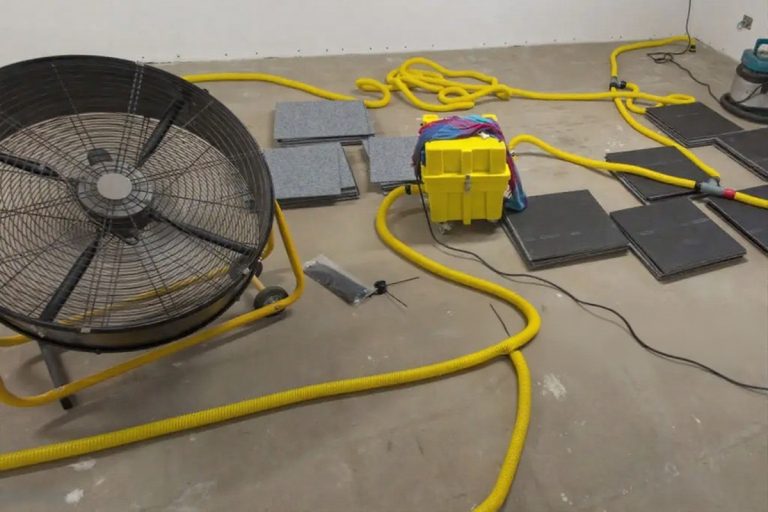
When water damage does occur, acting quickly is crucial. That’s where Superior Disaster Cleanup comes in. Our team of experts provides top-tier water damage restoration in Salt Lake City, offering fast, efficient, and reliable solutions to restore your home or business. With 24/7 emergency response, professional water extraction, and advanced mold remediation, we ensure your property is restored safely and effectively.
Don’t wait until minor water damage turns into a major disaster. Contact our experts today for efficient restoration services and protect your home from future damage!