When a pipe burst in a Salt Lake City homeowner’s basement last spring, the initial concern was obvious: water removal. But within just 48 hours, an even bigger problem emerged—mold. What started as a minor leak turned into a major restoration project that required expert mold remediation to protect the family’s health and home value.
This situation is not unusual in Salt Lake City, where changing weather patterns and older plumbing sometimes lead to unusual water problems. At Superior Disaster Cleanup, we have seen how quickly moisture can create a perfect environment for mold to thrive, and it can happen quickly, sometimes in just 24 to 48 hours!
In addition to all the structural damage water can do to your home, we must also deal with water’s potential to worsen a water damage situation with mold. Fortunately, mold can be managed and often prevented with fast and timely action.
This blog discusses what happens between water damage and mold, how to prevent it, and the importance of professional water damage restoration and mold remediation in Salt Lake City.
From Leaks to Outbreaks: How Water Damage Sparks Mold Growth
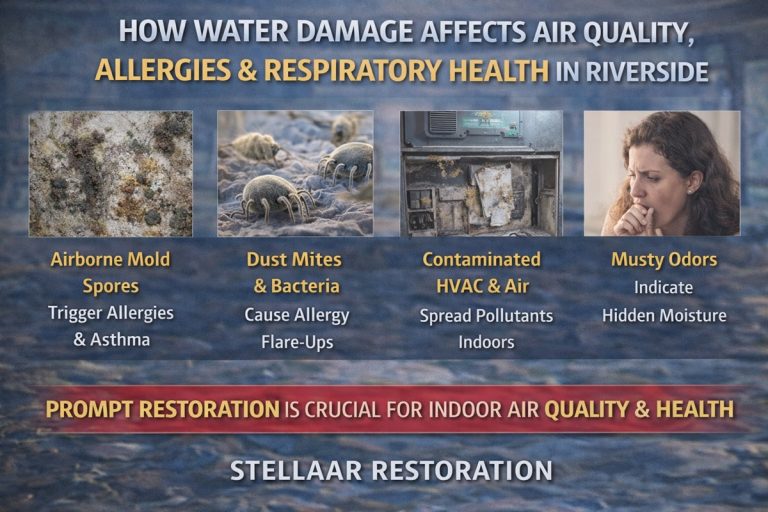
Mold spores are in almost every environment and never stop looking for a dry base to grow. When humidity levels exceed 60%, they migrate toward the damp areas and become active. If your property has suffered water damage (flood, leaking roof, condensation), mold spores can find their way to damp materials on your property. Over time, the spores can settle and, as they feed on the damp materials, they can grow and spread, potentially causing health issues and compromising your property’s integrity.
Water damage occurs when materials like wood, drywall, insulation, carpets, and fabrics retain moisture from being wet, offering moisture retention for mold growth. Mold not only deteriorates building materials but also poses health risks like respiratory issues, allergies, and weakened immune systems.
From Dampness to Dangerous: How Quickly Mold Can Spread
When the question arises, how quickly can mold develop? The answer is that it doesn’t take mold very long to start developing. It can develop as early as 24-48 hours after water exposure. If the water damage is not addressed quickly, the mold can spread, making mold removal and remediation in Salt Lake City more expensive and complicated.
The longer the water damage is left untreated, the worse mold becomes, the more repairs will be necessary, and health becomes a bigger potential issue.
Mold Prevention: What to Do After Water Damage
There are ways of reducing the likelihood of mold growth after water exposure. Speed is of the essence when it comes to preventing the problem from getting worse. Here is a rundown of how to take preventative action and why you should hire professionals to perform water damage removal services in Salt Lake City.
Step 1: You Must Act Quickly to Remove the Water
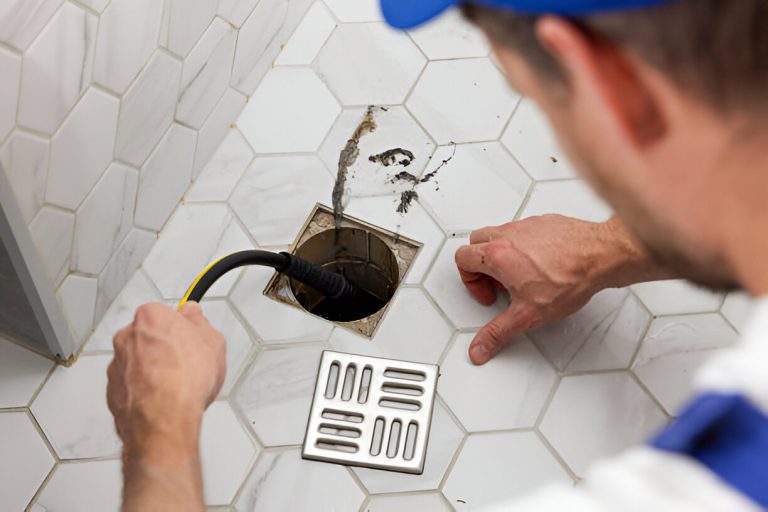
The first and most significant step to prevent mold growth is immediate water removal. This goes regardless of whether it is a small leak or a larger flood. The water flow needs to be addressed right away, as it can always seep into the structure of the walls, floor, or temporary shelving. For smaller leaks, water can be soaked up through the use of towels or a mop, but a major flood may require contacting the professionals who specialize in water damage restoration.
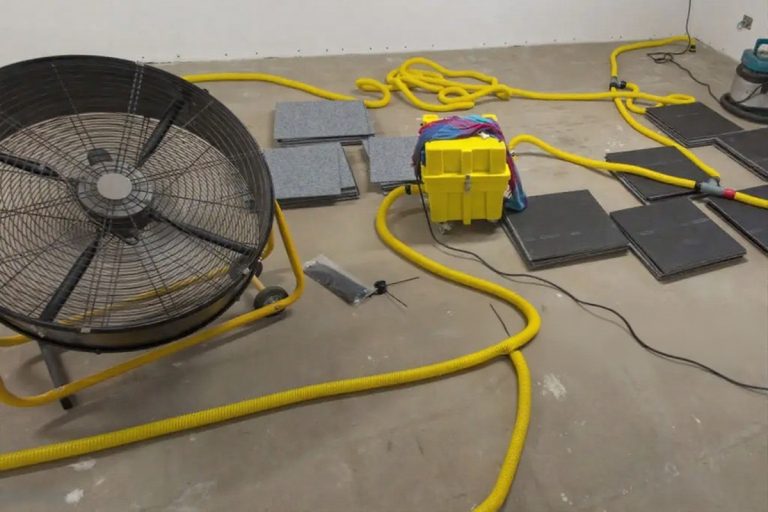
Professionals are equipped with the latest equipment to remove water quickly and effectively. In some scenarios, they use sump pumps to pump the water and dehumidifiers to absorb the moisture and air. They can also help ensure total drying in hard-to-reach locations such as below the floors or within walls.
Step 2: Drying and Dehumidification
Once standing water is removed, the next step is to thoroughly dry out the area. Mold is typically found and reproduces in a wet environment, and even if there is no visible water, any residual moisture for any length of time can cause mold. Dehumidifiers will help reduce the moisture in the air and thus slow down the growth of mold. Fans and air movers create air movement to assist in drying wet surfaces more quickly.
Some mold removal companies in Salt Lake City have access to industrial-strength drying equipment to ensure all areas of the structure have dried out, even in hard-to-reach locations.
Step 3: Remove Moisture from Hard-to-Reach Areas
Water damage does not always affect visible items. Water tends to get into “nooks and crannies” such as behind walls, below floors, and above ceilings, all of which may/may not remain undetected for long periods. Since these areas are not easily accessible, moisture will remain for longer periods and provide an excellent environment for mold to grow.
Many professional restoration services have access to moisture meters and thermal imaging cameras to help locate undetected moisture. Using advanced tools will help professionals identify and remove the moisture to stop the mold growth.
Step 4: Fix the Water Damage Source
It is important to fix the source of the water damage before any mold remediation can take place. Sometimes, this means fixing the leak from the pipes, sealing a crack in the roof, or repairing the windows. Regardless of what it is, if it was not repaired, mold will start growing again.
If it is a more serious source of water damage, like a flooded basement or a leak in the roof, it is very important for a water damage restoration company to assist not only with the clean-up, but also help with the repairs. Once you address the source of the water, future water damage and mold growth can be avoided to a great extent.
Step 5: Remove and Replace Damaged Material
In some instances, the water damage is so severe that the materials are in a state beyond repair. Often, porous materials like drywall, insulation, and carpets will absorb water. Once they absorb moisture, there is a potential for mold growth if it stays wet over time. In those cases, some stripping of the mold and mold removal of the materials is necessary, but replacement of the damaged materials may also be necessary.
Professional mold remediation in Salt Lake City will help you decide what to strip away and remove and what to keep intact. It isn’t just about mold removal; it is about restoring a safe and healthy environment without mold and moisture.
Step 6: Consider Removing the Mold Infestation
After the water damage has been appropriately mitigated, you may want to treat the area with additional mold-resistant products. These products can help limit mold growth and fungi by providing protection to the surfaces exposed to water. Typical treatments include mold-resistant paints and sealants for drywall and wood surfaces.
These treatments are helpful, but they should not be the only way to prevent mold growth. Proper removal of water and drying are the most effective treatments, but mold-resistant products are an additional layer of protection.
Final Thoughts: Stay Ahead of Mold After Water Damage
People often have DIY water restoration plans to remove or reduce mold growth, however, there are instances when you may want to contact professionals as one of the first steps for mold control. If you have a flooding event and your property has already begun to grow mold, professional mold remediation experts can provide specialized knowledge and equipment to properly restore your property.
When you hire professionals for mold remediation services, they will not only remove mold growth but also address the cause of the water damage to avoid future problems. Whether you are looking for water damage restoration or mold remediation, professionals can mitigate damage and ensure the job is completed thoroughly and safely.
At Superior Disaster Cleanup, we are experts in all forms of water damage restoration and physical mold remediation. Our team has the experience and equipment to help restore your structure to pre-property damage, while having limited lasting effects from mold. Contact us for a consultation today, and we can help you gain back a mold-free home!