Mold is more than just an unsightly nuisance; it can jeopardize your health, damage your property, and lead to costly repairs if left unaddressed. Homeowners often struggle with mold problems, unsure how to tackle the issue effectively. This is where mold remediation comes in. By understanding the process and knowing what to expect, you can regain control over your space and protect your home and family from harm.
At Superior Disaster Cleanup, we offer professional mold remediation services in Bountiful designed to tackle even the most challenging infestations. With years of experience, industry certifications, and a commitment to excellence, we’re here to help you restore a safe and healthy living environment.
What is Mold Remediation?
Mold remediation is the comprehensive process of removing mold from an affected area while addressing the conditions that caused it in the first place. Unlike simple cleaning, remediation involves assessing the mold’s source, removing contaminated materials, and preventing regrowth.
The goal is not just to eliminate visible mold but to restore the property to a mold-safe state. This process often includes identifying water damage, repairing leaks, and improving ventilation to ensure long-term results.
What’s the Difference Between Mold Remediation and Removal?
The terms “removal” and “remediation” tend to be used interchangeably, but they represent distinct processes. Mold removal refers to eliminating visible mold, typically through surface cleaning. However, it doesn’t address the root cause of the issue or prevent mold from returning.
Leaks and Water Damage
Water intrusion is one of the most frequent issues in commercial roofs, often caused by poor drainage or damage to the roofing material. Look for signs of water stains, bubbling, or mold, which indicate potential leaks.
Mold remediation, on the other hand, goes deeper. It involves locating the source of moisture, repairing the problem, and thoroughly cleaning and sanitizing the area. The focus is on addressing the underlying causes and restoring the environment to a safe and healthy condition.
What are the Most Common Causes of Mold?
Understanding the root causes of mold can help you take preventive measures. Some of the most common causes include:
- Excessive moisture: High humidity levels provide the perfect environment for mold growth.
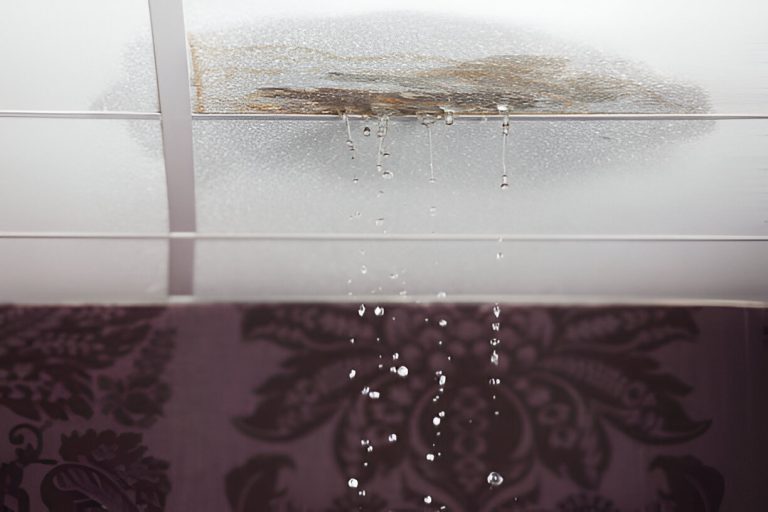
- Water leaks: Leaky roofs, windows and pipes may remain undetected until mold begins to grow.
- Flooding: Water damage from flooding can leave behind moisture that fosters mold growth.
- Poor ventilation: Inadequate airflow in bathrooms, kitchens, and basements can lead to moisture buildup.
- Condensation: Temperature differences between surfaces can create condensation, which may lead to mold.
The Health Risks of Mold
Exposure to mold can have serious health consequences, especially for those with allergies, asthma, or compromised immune systems. Some common health risks include:
- Respiratory problems: Mold spores can trigger irritation in the lungs and airways, resulting in symptoms like coughing and wheezing.
- Allergic reactions: Symptoms such as sneezing, runny nose, and itchy eyes can develop from mold exposure.
- Skin irritation: Direct contact with mold can cause rashes and irritation.
- Chronic illnesses: Prolonged exposure to mold, particularly toxic varieties like black mold, can lead to severe health problems such as chronic sinus infections or neurological issues.

Signs of Mold Growth in Your Home
Mold growth can start subtly, but identifying it early can save you from costly remediation and health issues. Here’s how to recognize the signs:
Visible Signs of Mold
The most apparent indicators of mold are discoloration or staining on walls, ceilings, or floors. Mold may appear as black, green, or white spots and often grows in areas exposed to moisture, such as around windows, in basements, or under sinks. Bubbling paint or wallpaper can also signal underlying mold growth.
Less Obvious Indicators
Sometimes, mold isn’t visible, but it still makes its presence known. A persistent musty or earthy smell is a common sign, especially in poorly ventilated areas. Increased allergic reactions, such as sneezing, watery eyes, or skin irritation, may also indicate mold, particularly if symptoms worsen indoors.
Importance of Early Detection
Catching mold early prevents it from spreading to other parts of your home, where it can cause structural damage and require extensive remediation. Regular inspections and paying attention to subtle changes in your living environment can make a big difference.
DIY Mold Removal: When Is It Appropriate?
For small-scale infestations, homeowners may be able to tackle mold themselves. However, it’s crucial to know your limits and when to call in the professionals.
Small-Scale Mold Removal Methods
For minor mold problems (typically areas under 10 square feet), natural solutions like vinegar or baking soda can be effective. These substances can kill mold on non-porous surfaces without introducing harsh chemicals into your home.
Tools and Protective Gear
Safety is critical during DIY mold removal. Equip yourself with gloves, goggles, and an N95 mask to avoid exposure to mold spores. Use disposable cleaning tools like sponges and cloths to prevent cross-contamination.
When to Opt for Professional Remediation
While DIY methods work for small, surface-level mold, they’re ineffective against extensive infestations or mold hidden in walls, ceilings, or HVAC systems. Professionals have specialized tools and training to safely remove mold and address its root causes, ensuring it doesn’t return.
Costs of Mold Remediation
The cost of mold remediation varies widely, depending on the scope and severity of the infestation.
Typical Costs
On average, professional mold remediation costs range from $500 to $6,000. Smaller areas may be on the lower end of the spectrum, while large-scale mold problems requiring structural repairs can exceed $10,000.
extent
Factors Influencing Costs
Several factors impact the cost, including:
- Size of the affected area: Larger infestations require more time and resources.
- Location of the mold: Hard-to-reach areas like behind walls or under flooring increase labor costs.
- The extent of damage: If mold has compromised structural materials, repairs will add to the overall expense.
Preventing Mold Growth in the Future
Taking proactive measures can significantly reduce the risk of mold growth in your home.
Routine Maintenance
Regularly inspect your home for leaks, especially in areas prone to moisture, such as bathrooms and basements. Fix leaks promptly and clean gutters to prevent water from pooling near your home’s foundation.
Proper Ventilation
Ensure proper ventilation in high-moisture areas, like kitchens and bathrooms, by using exhaust fans or opening windows. Dehumidifiers can help maintain indoor humidity levels below 60%, which is critical for preventing mold growth.
Home Upgrades
Consider investing in home improvements such as better insulation to minimize condensation or installing a sump pump in areas prone to flooding. Improving your drainage system can also direct water away from your foundation, reducing the risk of moisture buildup.
Will Insurance Cover Mold Remediation?
Whether your insurance covers mold remediation depends on your policy and the cause of the mold. Most standard homeowner’s insurance policies cover mold remediation if it’s the result of a covered peril, such as a burst pipe or storm damage.
However, if the mold results from neglect or maintenance issues, such as unresolved leaks, it’s unlikely to be covered. It’s essential to review your policy and consult with your insurance provider to understand your coverage.
What is the Process of Mold Remediation?
Mold remediation is a detailed, multi-step process designed to eliminate mold and prevent its return. Here’s what you can expect:
Find the Water
The first step is identifying and addressing the moisture source that caused the mold. This may involve repairing leaks, improving drainage, or addressing humidity issues.
Isolate
To prevent mold spores from spreading, the affected area is sealed off with plastic sheeting and negative air pressure. This isolation protects other parts of the property during the remediation process.
Remove Damaged Materials
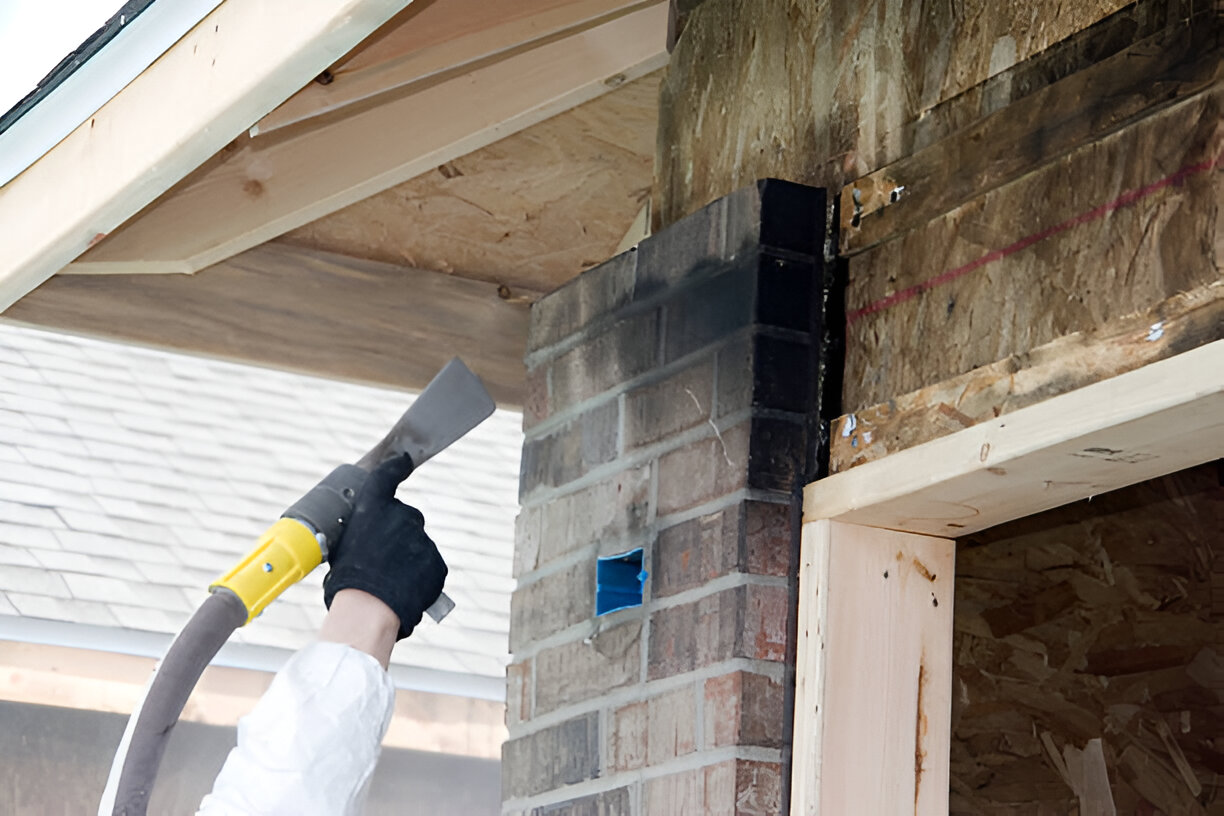
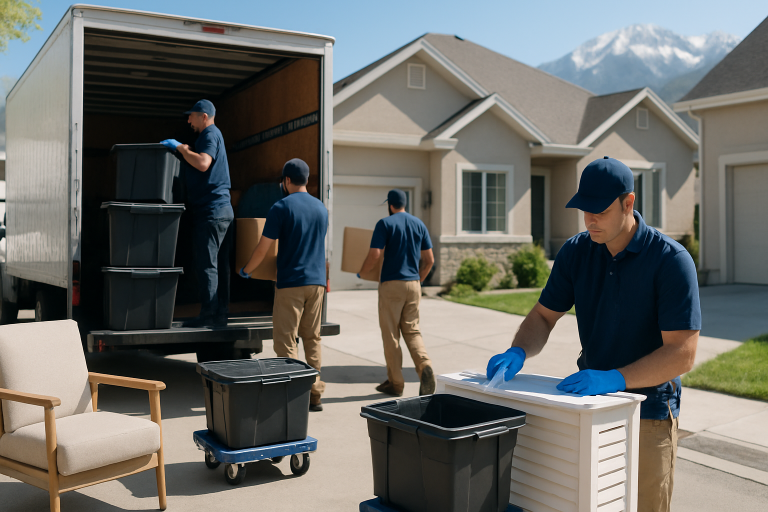
Porous materials like drywall, carpeting, and insulation that are heavily contaminated with mold are removed and disposed of safely. This ensures that no mold spores remain hidden within the structure.
Cleaning and Drying
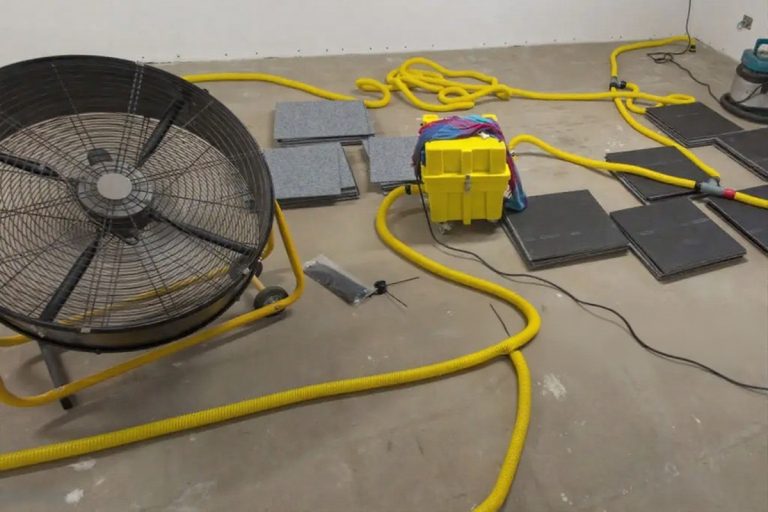
Non-porous surfaces are thoroughly cleaned using specialized antimicrobial treatments to eliminate mold. Industrial-grade dehumidifiers and air movers are then used to dry the area completely.
Repair
Finally, any damaged materials are repaired or replaced, and the area is restored to its original condition. This step may include repainting walls, replacing insulation, or installing new drywall.
How Long Does Mold Remediation Take?
The length of mold remediation depends on the severity of the infestation and the size of the impacted area.
- Small-scale mold remediation: Typically takes 1 to 3 days.
- Extensive infestations: May take 1 to 2 weeks, especially if significant structural repairs are needed.
Why Choose Superior Disaster Cleanup?
When it comes to mold remediation, not all companies act the same. Here’s why you should hire us:
Years of Experience
With a proven track record, we have successfully handled mold remediation projects of all sizes. Our expertise ensures that your home is treated with care and precision.
IICRC Certified
We follow industry standards set by the Institute of Inspection, Cleaning, and Restoration Certification (IICRC). We adhere to industry best practices, ensuring the highest quality of service.
Locally Owned & Operated
We’re proud to be a part of the community we serve. Our local roots mean we’re committed to providing personalized service and swift response times.
Protect Your Home from Mold Damage in Bountiful Today!
Mold is a serious issue that requires prompt and professional attention. Left unchecked, it can compromise your health, damage your property, and lead to costly repairs. With Superior Disaster Cleanup, you can rest assured knowing that your home is in expert hands.
Don’t let mold take over your space. Call Superior Disaster Cleanup at (801) 577-3288 today to schedule a professional inspection and take the first step toward a safer, healthier home.